
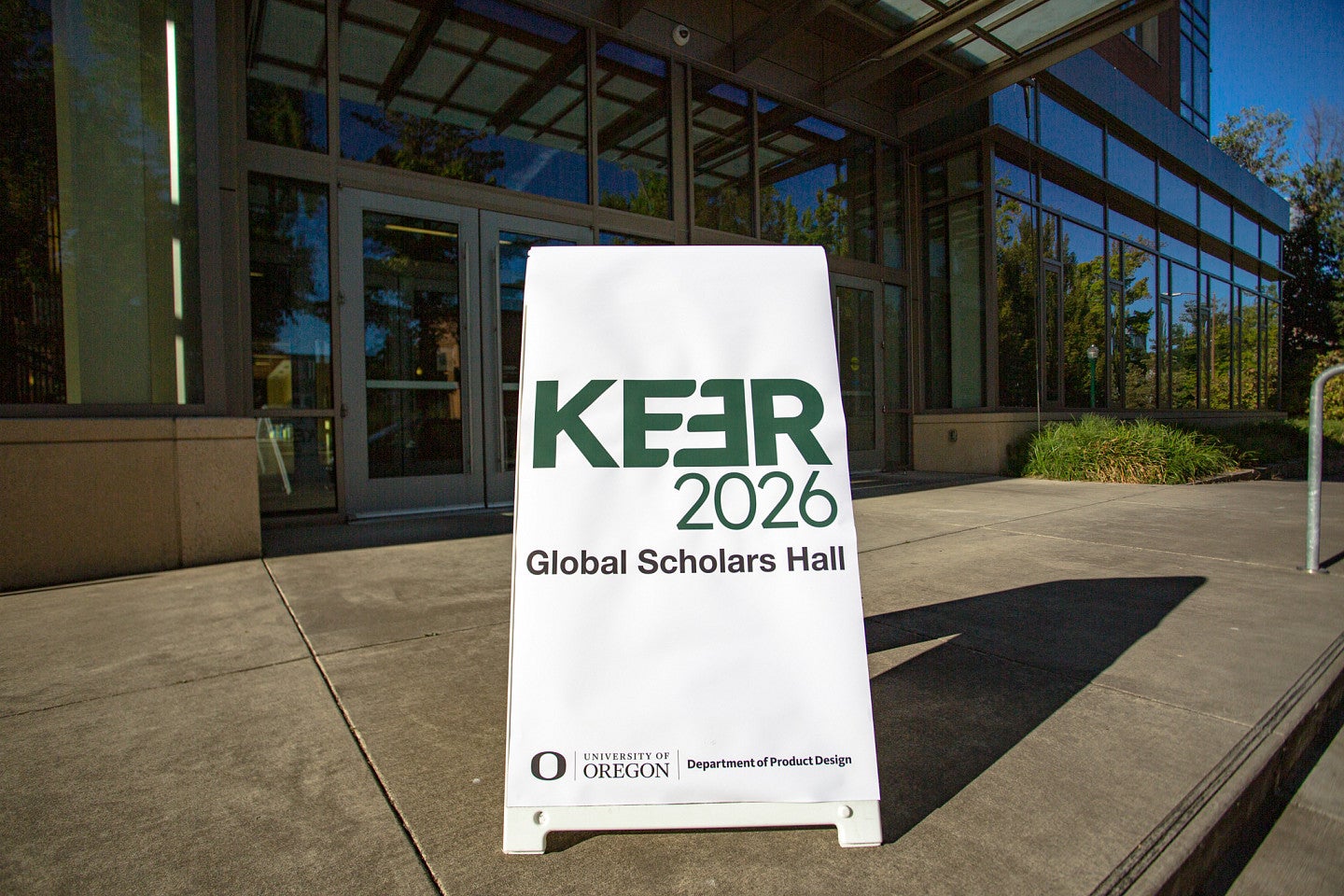
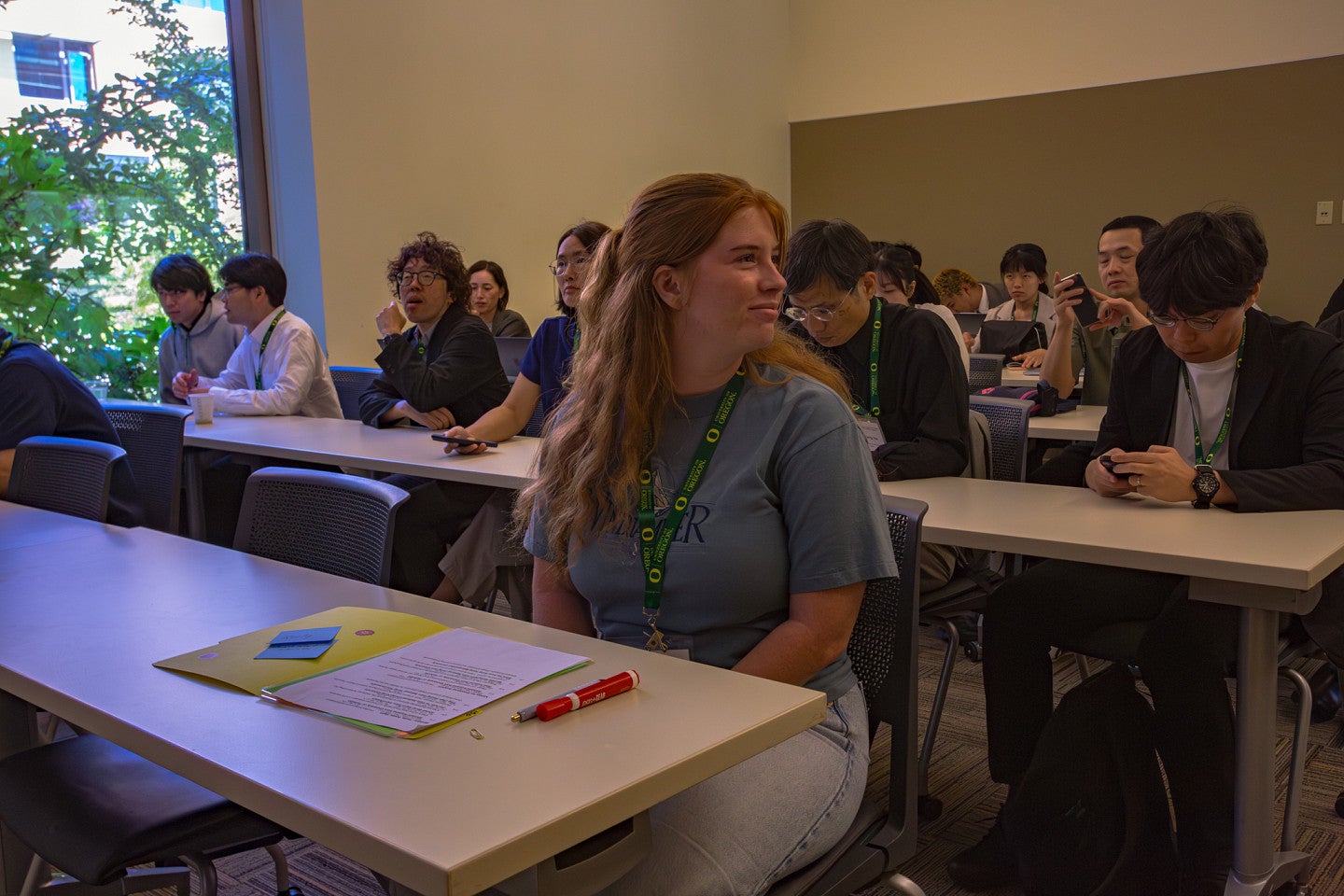
On a sunny, summer Oregon morning, a diverse group of people walked briskly into the Global Scholars Hall for the 2026 Kansei Engineering and Emotion Research (KEER) International Conference. The conference and building played host to more than thirty international researchers and practitioners, including a handful of the University of Oregon's (UO) Department of Product Design faculty and students, who utilize the Kansei engineering methodology to create successful, human-created designs. Kansei engineering was developed in the 1970s as a methodology to help companies in Japan to quantify the intangible, or emotional, aspects of a product, aiming to link emotional responses to the properties and characteristics of a product. Now more than fifty years later, Kansei engineering is widely studied in Southeast Asia, including Japan and China, but whether due to cultural differences or other factors, it is not widely known in the United States. Professor of Product Design Kiersten Muenchinger, one of the few KEER methodology experts in the United States, is hoping to change that.
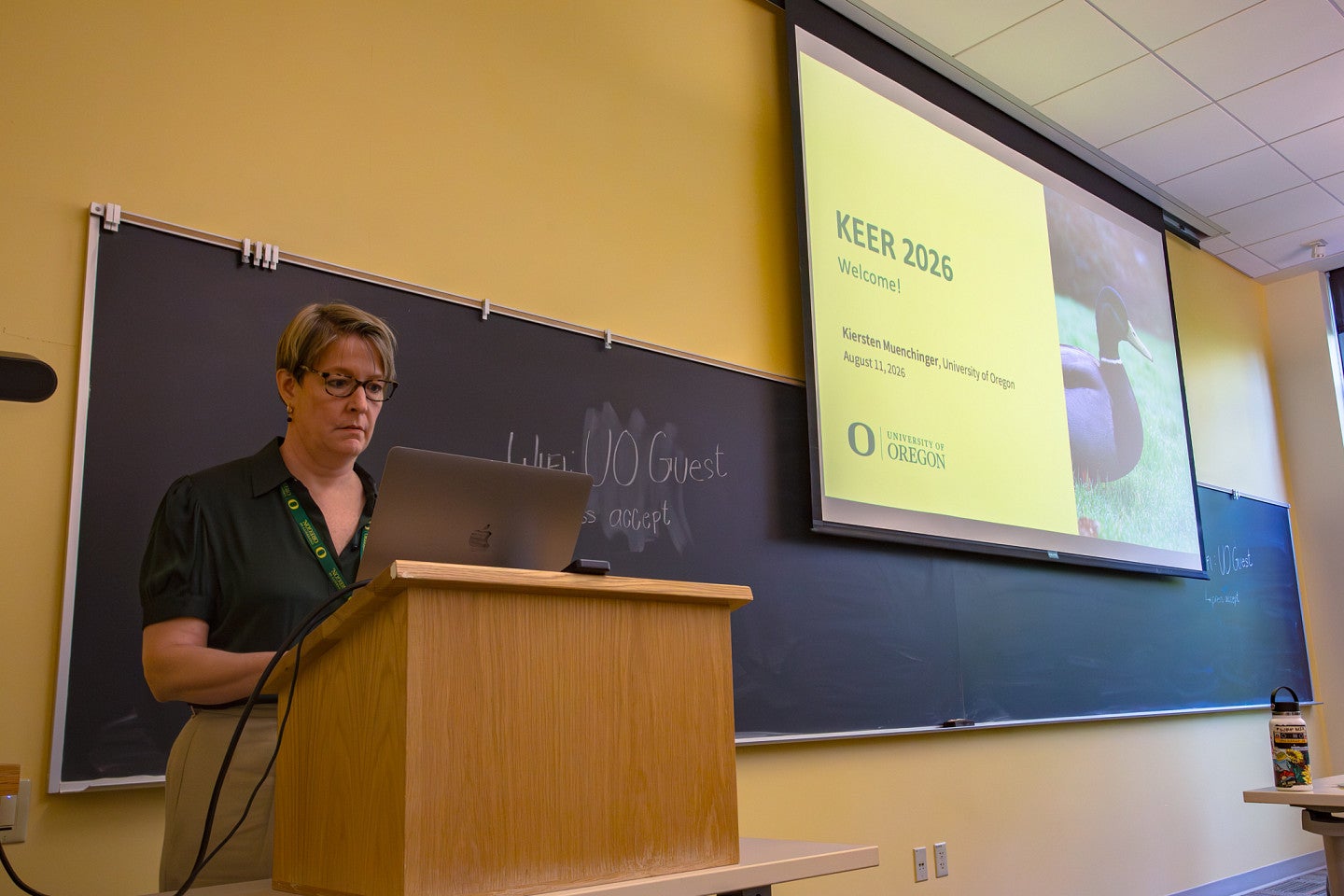
"Kansei is a valuable research tool, able to interpret complex, qualitative data, for example feelings of revulsion concerning a material, with quantifiable metrics," explained Muenchinger, 2026 KEER Program Chair and Committee Member. "Through these techniques and research, we can design with intention and emotion. While it is a valuable method for designers to use, we don't see many experts in this space in America, with much of the researchers and PhD students located mostly in Southeast Asia. Bringing these experts to us is just one way we can start to increase scholarship and expertise in this methodology."
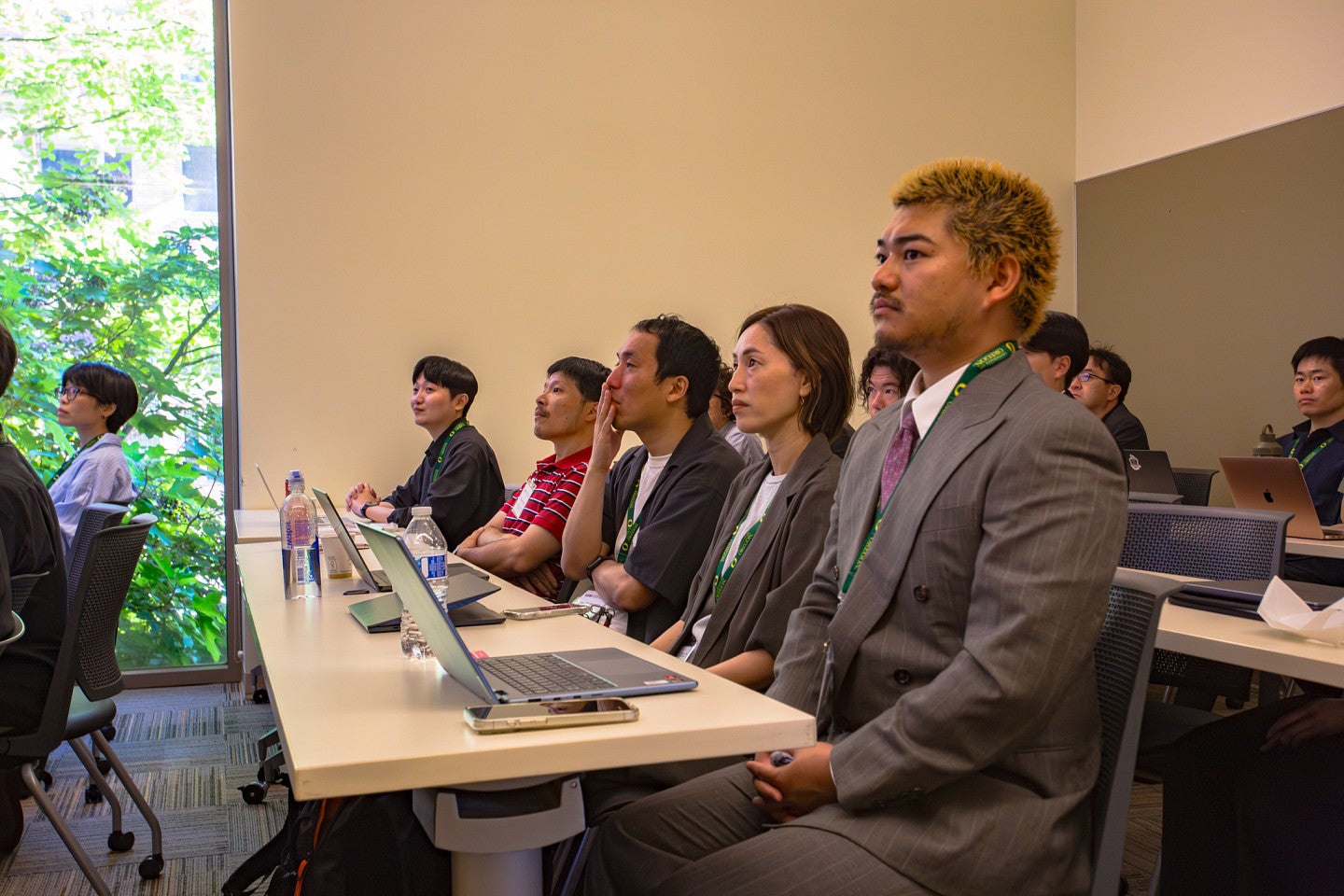
The theme for the 2026 conference was "performance", with the university acting as the perfect meeting place due to UO's expertise in physical human performance, mental health performance, and environmental performance. Kansei engineering touches each of these areas, giving an alternative "tool" for UO scholars and graduates in those research areas to add to their respective toolboxes. Attendees shared their research and findings throughout the litany of workshops and panels, including a compelling keynote from Product Design Professor and Department Head Susan Sokolowski. Participants would walk away with new perspectives and relationships, additional tools, and case studies in architecture, user experience (UX), cultural research, and more, to bring back with them. The lively two-day conference was the first KEER conference held in the US and brought some much-needed scholarly energy back to the UO during the slow summer months before the fall term. The success of this year's conference will hopefully be a start to increasing the number of American Kansei engineering scholars and researchers.
"As one of the very few Americans who use this methodology and works with this specialized group of overseas researchers, " explained Muenchinger. "I hope that hosting the conference here will lead to greater understanding and exposure to the strengths of Kansei engineering in the United States. We as designers are able to back our materials choices for products rooted in the rigors of research and science, but sometimes people don't accept or emotionally believe the reasons for a material choice. We can see this conflict when working with an eye towards sustainable materials and products, where designers know a material choice is good for the environment and a stellar material choice for the product, but the public has a negative response to the product. With Kansei engineering as an additional lens in our research, we can increase our understanding of people and the products and designs they want in their lives without running into surprises from consumers."
Learn More
The Department of Product Design teaches in-depth knowledge of materials, idea generation, prototyping, and manufacturing to create the next generation of product designers. At the university, students learn how to research consumer needs, design new products, and explore the history and theory of design while bringing designs to life. Both undergraduate and graduate programs are recognized as Human-Centered Technology Design STEM degrees, which allows international students on F-1 visas to be eligible for an additional 24-month OPT extension.